01
Chalk comes off on your hand
The finish has broken down and the panel underneath is brittle. From here, weather does the rest.
We match you with a single licensed, insured siding contractor who shows you what is behind the old panels instead of covering it before you get home.
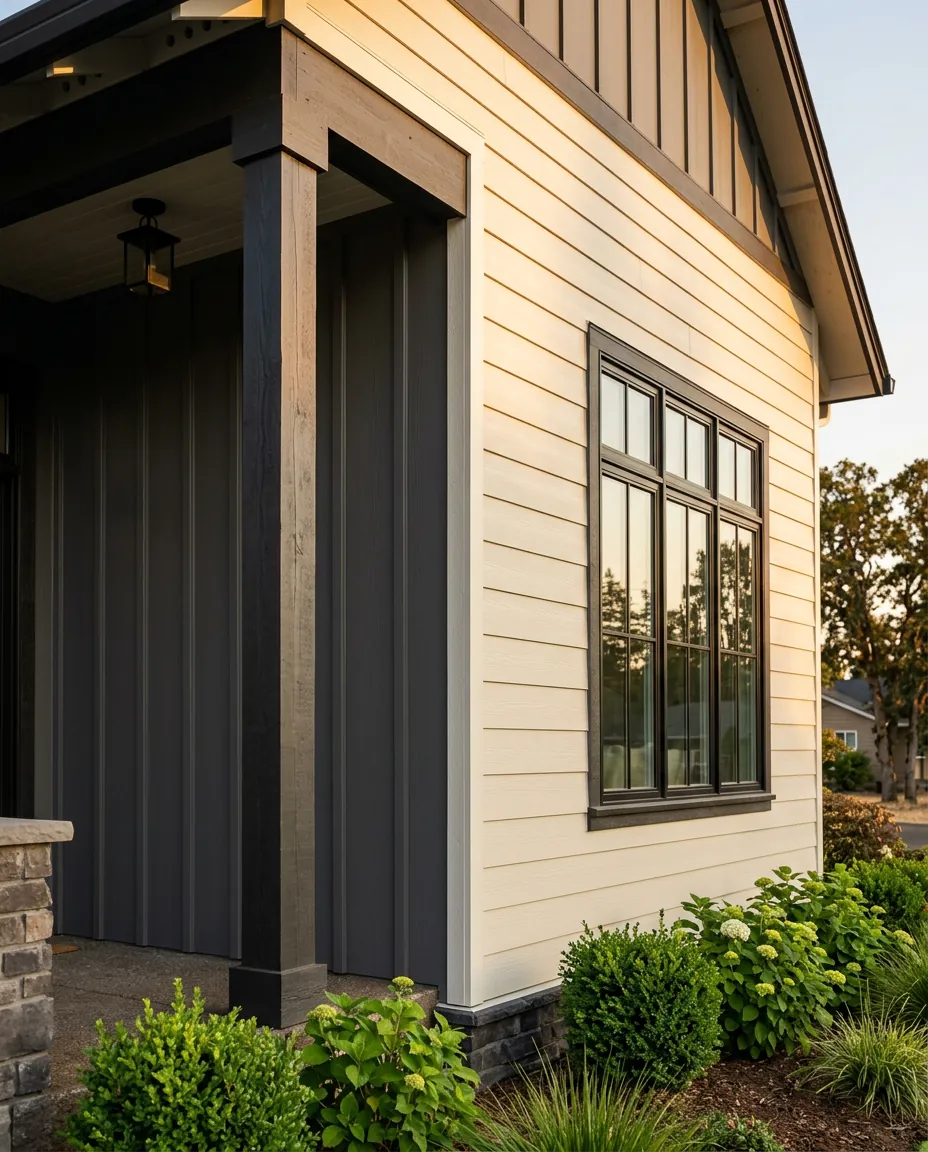
The finish has broken down and the panel underneath is brittle. From here, weather does the rest.
Every split is a path to the sheathing behind the wall. Freeze-thaw widens it every single cycle.
If the wall gives, water has been getting in for a while and the problem is no longer the siding.
Rough shares of a typical job. Ratios, not prices — yours will differ.
Once siding is up, nobody can tell whether the wrap was installed properly. A crew doing it right will be pleased you asked. That reaction alone tells you what you need to know.
A few questions about the job and your area. Under a minute, and no phone number gets sold.
Licensed, insured, five-plus years in siding. One company per area — not a list of five.
They look at the actual job and give you a number you can read line by line. You decide.
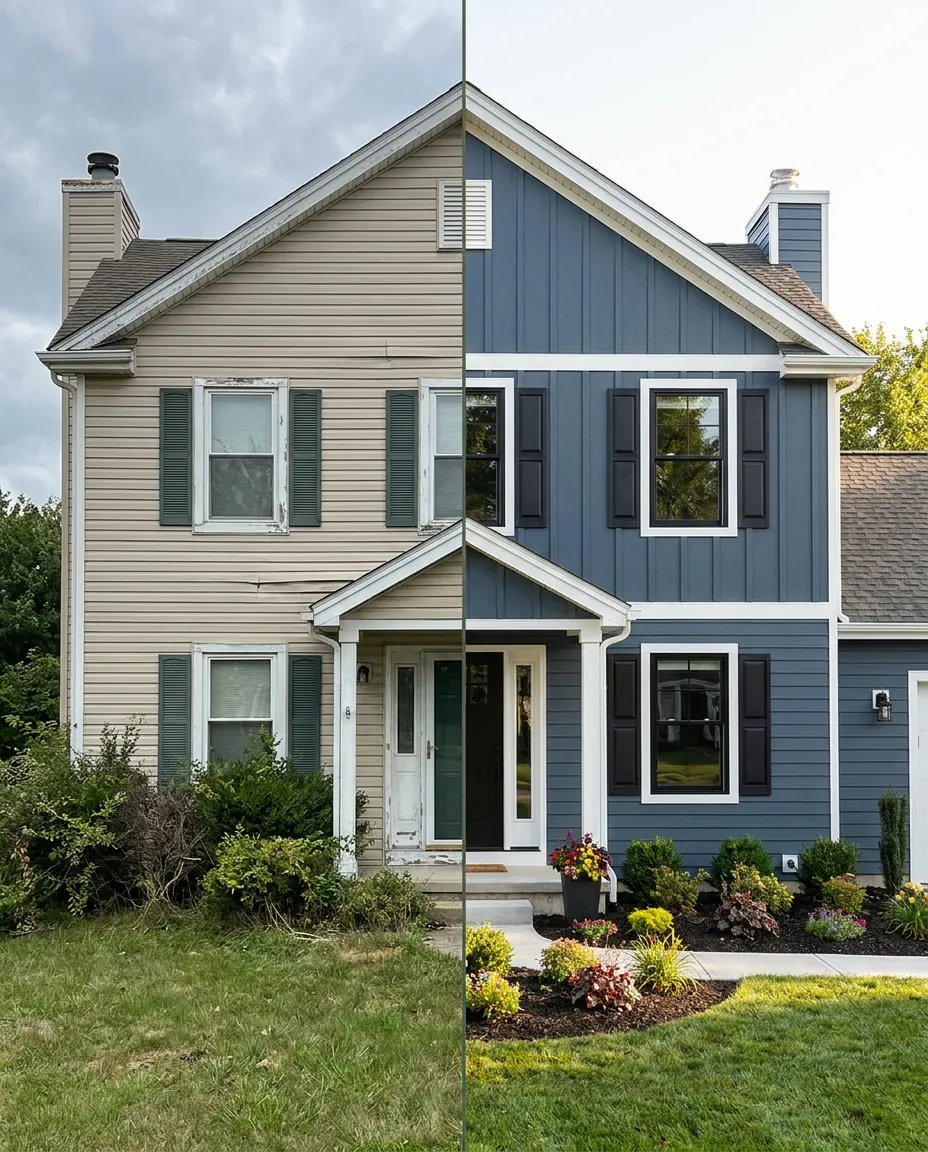
Same house, same angle. This is the standard every contractor in the network is held to.
Vinyl typically 20-30 years before it looks tired; fiber cement considerably longer if painted on schedule. The panels usually outlast the caulk at the joints, which is what actually fails first.
Sometimes, and it saves on tear-off. You lose the chance to inspect the sheathing, so ask directly what happens if there is rot underneath.
It adds a little R-value and a lot of rigidity, so panels lie flatter and dent less. Buy it for durability and appearance. If someone sells it purely on energy savings, discount the pitch.
Not at high pressure. Lap siding sheds water downward; a pressure washer aimed upward drives water behind the panels, which is exactly where it must never go. Low pressure and a soft brush.
No lead selling. No five companies calling you at dinner. One contractor, one conversation.